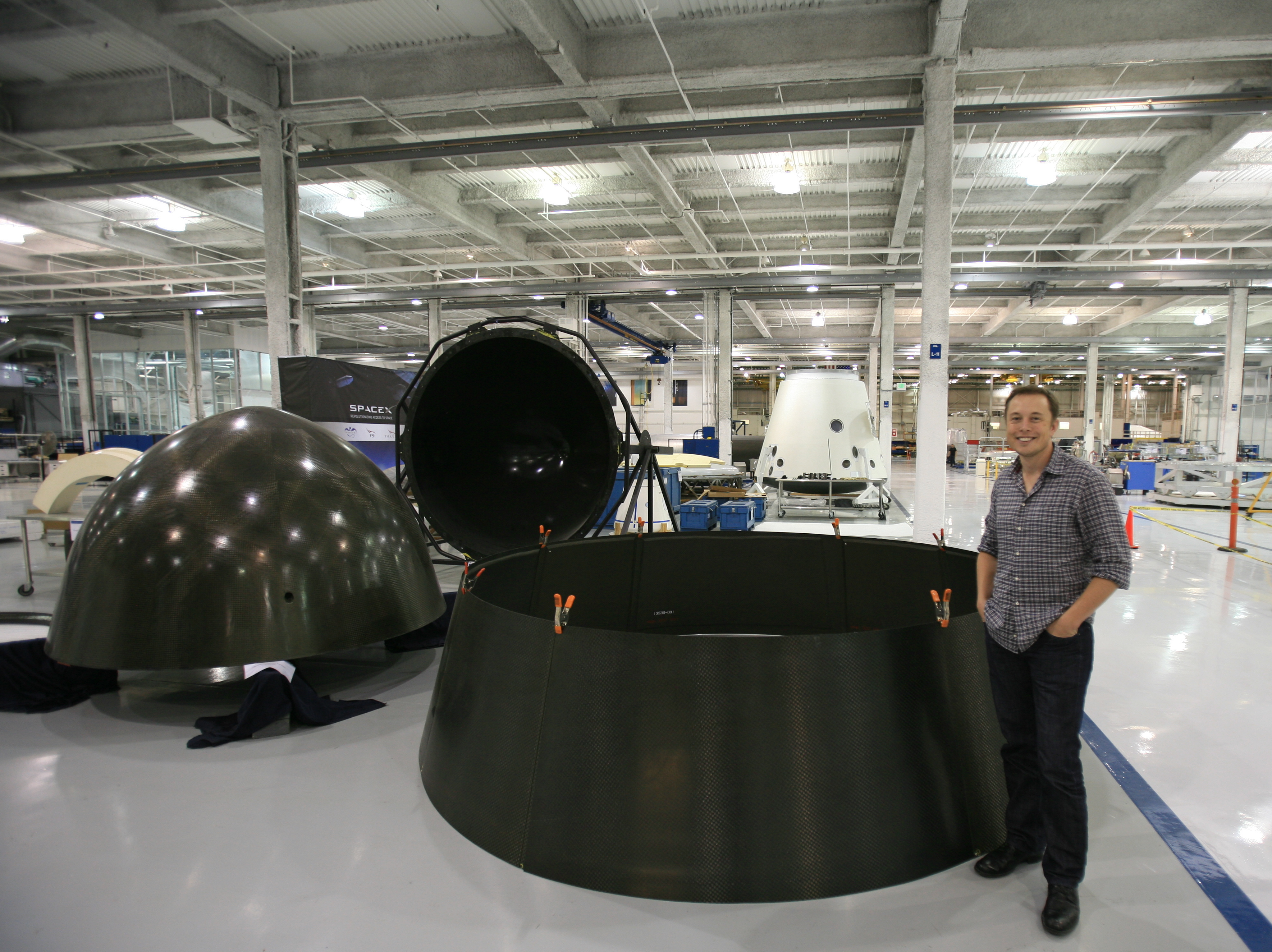

Elon Musk's SpaceX IPO Makes History
Fusion Times has learned that Elon Musk has become the world's first trillionaire following the historic IPO of his company, SpaceX. The SpaceX IPO, which began trading on June 12th, has seen the company's stock price soar, making Musk's paper wealth exceed $1 trillion.
The SpaceX IPO is widely considered one of the most highly anticipated and controversial public offerings in history. The company, which is controlled by Musk, aims to raise $75 billion under the ticker symbol SPCX, making it the largest public offering in history.
However, the IPO has also sparked controversy over the company's potential impact on the global technology industry. Critics have raised concerns over the company's dominance in the space industry and its potential to stifle competition.
What's Next for SpaceX?
As the company continues to grow and expand its operations, many are left wondering what's next for SpaceX. Will the company continue to push the boundaries of space exploration and development, or will it focus on more commercial ventures?
Only time will tell, but one thing is certain: Elon Musk's SpaceX IPO has made history and cemented his place as one of the most influential figures in the global technology industry.